(901) 235-1803

 7 Min Read
  October 28, 2025
 Choosing a new roof is one of the most significant decisions you’ll make for your home. With so many roof types available, understanding your options is crucial for protecting your investment and enhancing your home’s curb appeal. Whether you’re building a new house or replacing an old roof, the right material can make all the difference.
At Summit Roofing & Restoration, we want you to feel confident in your choice. This guide will walk you through everything you need to know.
Here’s what we’ll cover:
- Why understanding different roof types is so important.
- A detailed comparison of 13 common roofing materials.
- How to choose the best roof for your home’s style and location.
- A handy comparison table to see the options side-by-side.
🤔 Why Understanding Roof Types Is Important
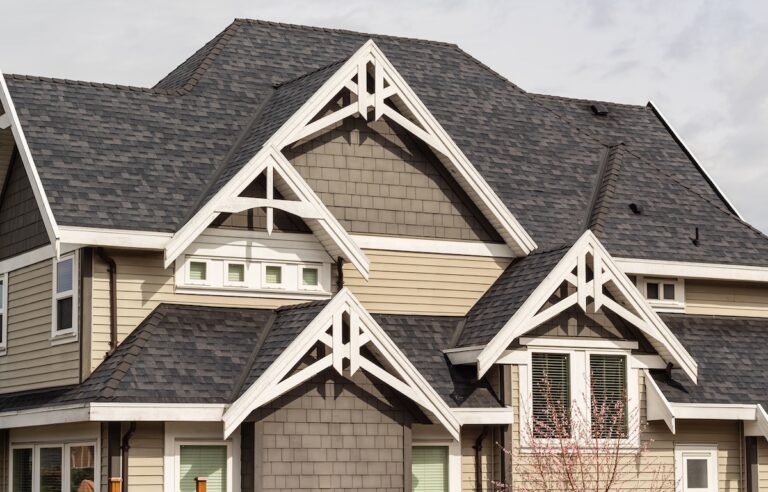
Choosing the right roof involves more than just picking a color you like. Each roofing material offers unique benefits and comes with different maintenance needs, lifespans, and costs.
Making an informed decision helps you balance your budget with long-term performance. It ensures your home is protected from the elements while boosting its value.
- Boost Curb Appeal: The right roof complements your home’s architectural style and makes it stand out.
- Improve Energy Efficiency: Certain materials reflect sunlight better, which can help lower your cooling costs during hot summers.
- Ensure Longevity: A durable roof means fewer repairs and a longer lifespan, saving you money over time.
- Increase Property Value: A new, high-quality roof is a major selling point for potential buyers.
🦺 13 Common Roof Types Compared (Pros & Cons)
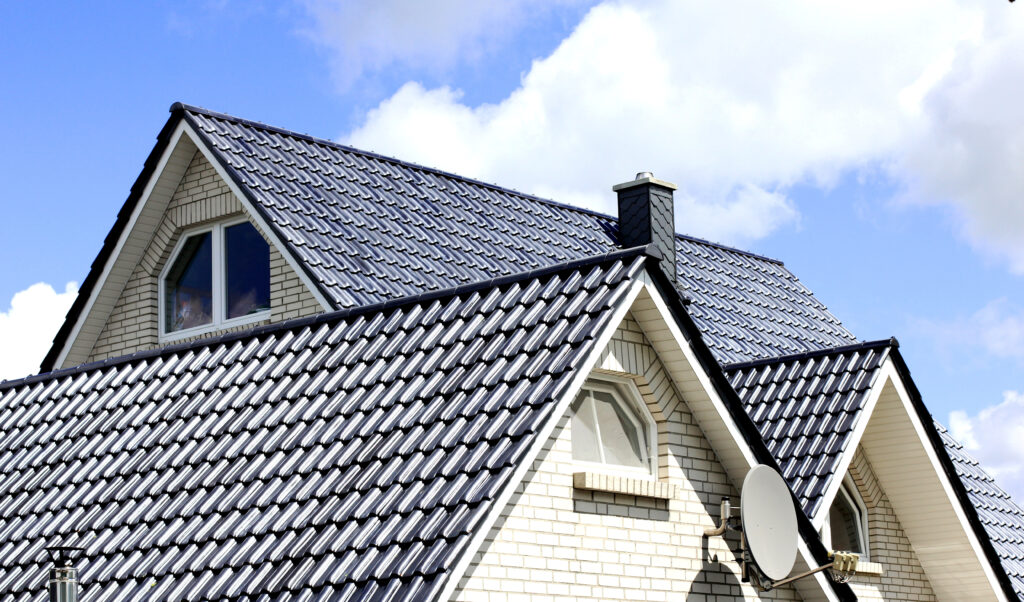
Let’s break down the most popular roofing materials to help you decide which is the best fit for your home. Each option has its own set of advantages and disadvantages to consider.
1. Asphalt Shingles
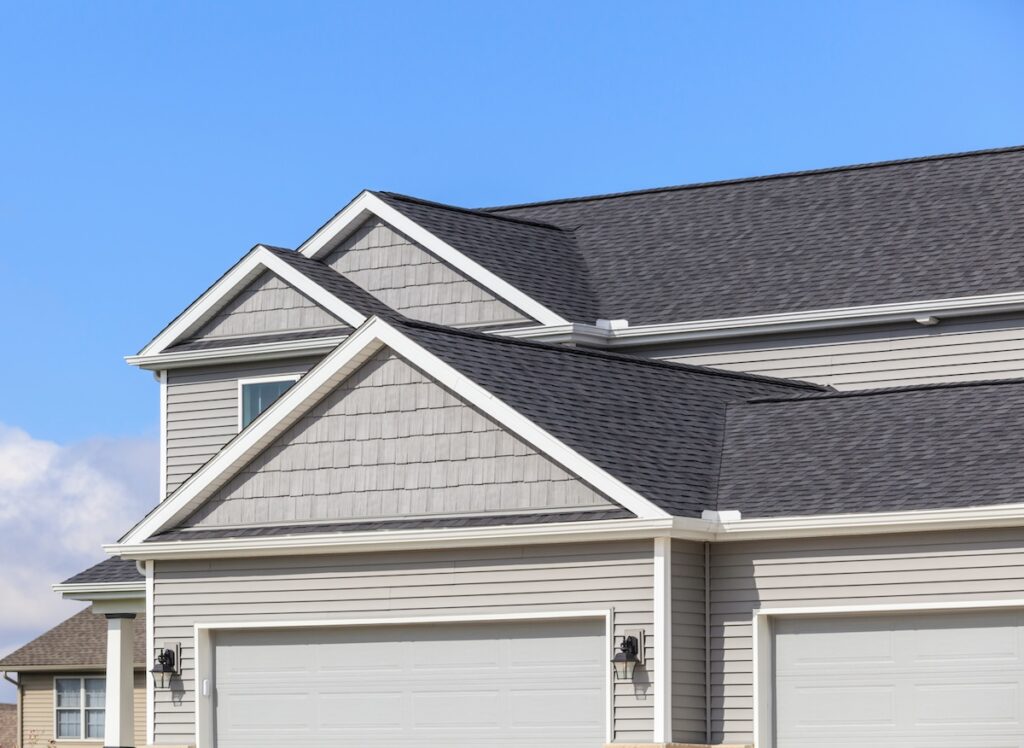
Asphalt shingles are the most common roofing material in the United States, and for good reason. They are affordable, versatile, and come in a wide range of colors and styles.
- Pros: Cost-effective, easy to install, and available in many styles like 3-tab and architectural shingles.
- Cons: Shorter lifespan than other materials (15-30 years) and can be susceptible to damage in extreme weather.
2. Metal Roofing
Metal roofs, including options like steel, aluminum, and copper, are known for their durability and sleek, modern look. They are an excellent long-term investment.
- Pros: Extremely long-lasting (50+ years), highly resistant to fire and wind, and energy-efficient.
- Cons: Higher initial cost and can be noisy during rainstorms if not properly insulated.
3. Wood Shingles and Shakes
For a natural, rustic aesthetic, wood shingles (machine-cut) and shakes (hand-split) are beautiful options. They are typically made from cedar or redwood.
- Pros: Gorgeous, natural appearance that ages gracefully and offers good insulation.
- Cons: Requires regular maintenance to prevent rot and moss, and is not fire-resistant unless treated.
4. Clay and Concrete Tiles
Common in Spanish and Mediterranean-style homes, tile roofs are incredibly durable and offer a distinctive, elegant look. They are heavy and require a strong roof structure.
- Pros: Very long lifespan (100+ years), excellent fire resistance, and low maintenance.
- Cons: Heavy, expensive, and can be brittle, making them susceptible to breaking if walked on.
5. Slate Roofing
Slate is a premium, natural stone material that provides a sophisticated and timeless appearance. It’s one of the most durable roofing options available.
- Pros: Can last over 100 years, is fireproof and waterproof, and has a unique, beautiful texture.
- Cons: Extremely heavy, very expensive, and requires specialized installation.
6. Synthetic (Composite) Shingles
Synthetic shingles are engineered to mimic the look of natural materials like slate or wood without the high cost or maintenance. They are made from a mix of recycled plastics and rubber.
- Pros: Lighter and more affordable than natural materials, highly durable, and low maintenance.
- Cons: Newer material, so long-term performance is still being evaluated by some.
7. Built-Up Roofing (BUR)
Often used for flat or low-slope roofs, BUR consists of multiple layers of asphalt and reinforcing fabrics. It’s a tried-and-true option for commercial and residential buildings.
- Pros: Excellent waterproofing, durable, and provides good protection against UV rays.
- Cons: Heavy, messy installation process, and can have a strong odor during application.
8. Membrane Roofing (TPO, PVC, EPDM)
Membrane roofing is another popular choice for flat roofs. Materials like TPO (Thermoplastic Olefin), PVC (Polyvinyl Chloride), and EPDM (Ethylene Propylene Diene Monomer) are applied in single sheets.
- Pros: Lightweight, energy-efficient (especially white TPO and PVC), and resistant to punctures and tears.
- Cons: Seams can be vulnerable to leaks if not installed correctly, and some materials are more expensive than BUR.
9. Green Roofs
A green or “living” roof is covered with vegetation planted over a waterproofing membrane. It’s an eco-friendly option that offers excellent insulation.
- Pros: Great for the environment, provides superior insulation, and extends the roof’s lifespan by protecting it from UV rays.
- Cons: Very high initial cost, requires significant structural support, and needs ongoing maintenance (watering, weeding).
10. Solar Tiles
Solar tiles are a newer technology that integrates solar cells directly into the roofing material. They offer a seamless look compared to traditional solar panels.
- Pros: Generates electricity, reduces your energy bills, and provides a sleek, modern appearance.
- Cons: Very expensive, and the technology is still evolving, with limited long-term data available.
11. Corrugated Metal
This is a budget-friendly metal roofing option, often seen on sheds, barns, and some modern homes. The wavy pattern adds strength and rigidity.
- Pros: Inexpensive, lightweight, and durable against rot and insects.
- Cons: Less aesthetically refined than other metal options and can be prone to denting.
12. Standing Seam Metal
Standing seam is a premium metal roofing style where the panels are interlocked at raised seams. This design hides fasteners and provides excellent weather protection.
- Pros: Superior leak resistance, very long lifespan, and a clean, contemporary look.
- Cons: More expensive than corrugated metal and requires professional installation.
13. Rubber Shingles
Made primarily from recycled tires, rubber shingles are a durable and eco-friendly alternative to traditional materials. They often mimic the look of slate or wood.
- Pros: Highly resistant to impact (like hail), long-lasting, and made from recycled content.
- Cons: Can be more expensive than asphalt and may have a slight rubber odor initially.
| Roof Type | Average Lifespan | Cost (per sq. ft.) | Pros | Cons |
| Asphalt Shingles | 15-30 years | $4 – $7 | Affordable, versatile | Shorter lifespan, less durable |
| Metal Roofing | 50+ years | $9 – $20 | Durable, energy-efficient | Higher cost, can be noisy |
| Wood Shakes | 30-40 years | $10 – $18 | Natural beauty, good insulation | High maintenance, not fire-resistant |
| Clay/Concrete Tiles | 100+ years | $12 – $25 | Extremely durable, fireproof | Heavy, brittle, expensive |
| Slate Roofing | 100+ years | $15 – $30+ | Elegant, longest lifespan | Very heavy, most expensive |
| Synthetic Shingles | 40-50 years | $8 – $15 | Durable, low maintenance | Newer material, variable quality |
| Membrane (TPO/PVC) | 20-30 years | $7 – $13 | Lightweight, energy-efficient | Seams can be vulnerable |
🛠️ How to Choose the Right Roof for Your Home
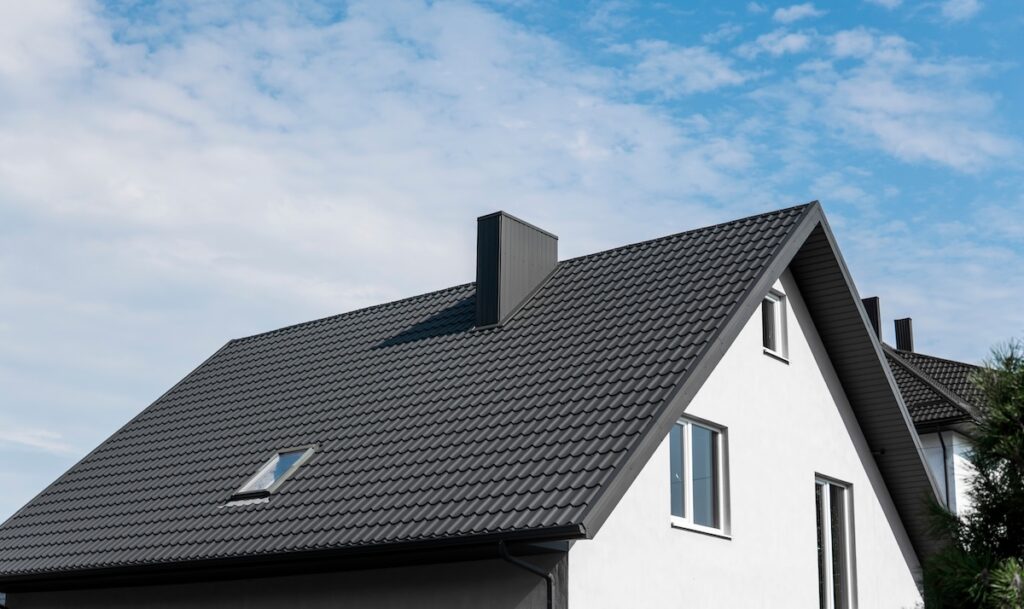
With so many options, how do you pick the perfect one? Consider these key factors to narrow down your choices and find the best fit.
Your Home’s Architectural Style
Your roof should complement the overall design of your house. A modern home might look great with a standing seam metal roof, while a historic cottage would be better suited for wood shakes or slate.
Your Local Climate
Think about the weather in your area. If you live in a region with heavy snowfall, a sloped metal roof can help snow slide off easily. In a hot, sunny climate like ours in TN, AR, and MS, light-colored or reflective materials can help keep your home cool.
Your Budget
Your budget is a major factor. While a material like slate has a very high upfront cost, its incredible longevity might make it a worthwhile investment. Balance the initial price with the long-term value and maintenance costs.
Our Commitment to the Community
At Summit Roofing & Restoration, we believe in giving back. We are proud to partner with local organizations to support our communities. We provide no-cost roofing solutions for veterans and offer financial support to our local school systems. When you work with us, you’re supporting a company that cares.
✅ Ready to Find Your Perfect Roof?
Choosing a new roof is a big step, but you don’t have to do it alone. Understanding the different roof types empowers you to make a decision that will protect your home and family for decades to come.
If you’re ready to explore your options or need an expert opinion, our team at Summit Roofing & Restoration is here to help. We provide personalized care and use advanced technology to ensure you get the best roof for your needs.